Juul Company Gets Flavored E-Cugs Banned, But Has Potential Loophole

By : Brianna

Juul Can Breathe After Didging Full FDA Ban on Flavored E-Cigs

https://www.wired.com/story/juul-dodging-ban-flavored-e-cigs/
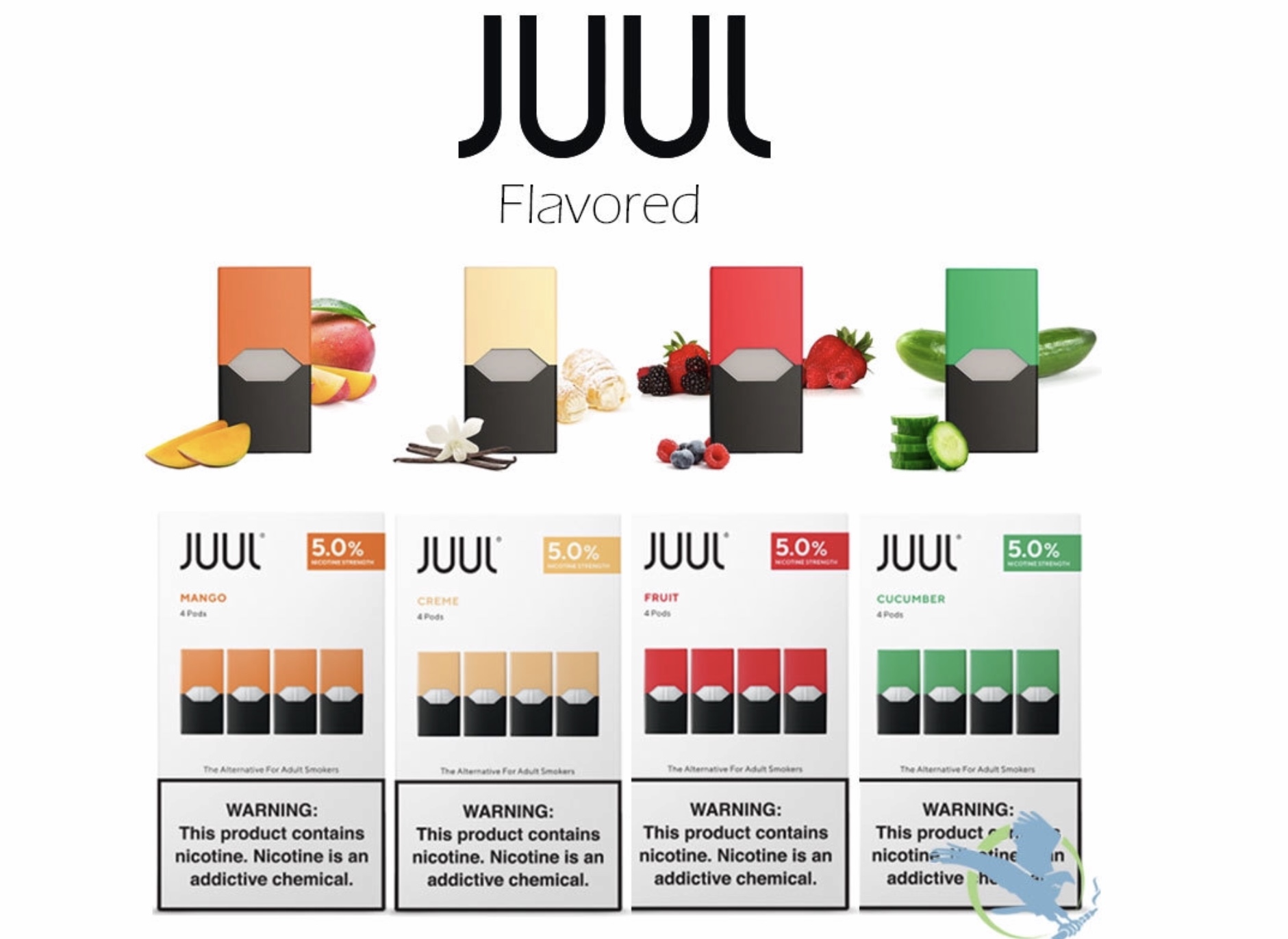
The Food and Drug Administration has attempted to tackle the e-cigarette epidemic by banning the fruity flavors that the Juul company has to offer. This was the first attempt seen by the FDA to reduce the percentage of those who are abusing the Juul product. These flavors weee said to be “kid appealing” flavors such as; mango, fruit, crepe, and cucumber, but the company kept the flavors, mint, menthol, and tobacco on the shelves for adults who are hoping to aid their nicotine addiction. The fruity flavors were said to be “the core of the epidemic.” The fruity flavors could possibly be back on the shelves if stores managed to create age restricted areas, where these products could not be seen by underaged youth. Vape shops on the other hand, would not be affected by this. E-cigarettes are currently allowed to be sold until August 2022, where they will have to submit a “cumbersome and costly application requiring clinical studies and long-term data.” Juul has already committed to shutting down its social media accounts, but Juul has already gone viral and became a $38 billion company. Along with flavor restrictions, the FDA has released a survey which showed that 3 million high schoolers have stated they use e-cigarettes, which is a 78% increase from last year.

Although the FDA has imposed new restrictions in order to aid the e-cigarette epidemic, the question that pops up is will this really be able to help? It’s a hard topic to clearly pick and choose which decisions will either help or keep data at the same rates in relation to how many are still using the product, which u,timately makes it a struggle. But when we look at this decision, was it truly the “right” one? Although Juul has pulled majority of its flavors from the shelves, they still chose to keep mint on the market as well. Keeping mint, yet eliminating all other “kid appealing” flavors goes against the intent of not marketing to teens any longer. Mint, in fact, is the most popular flavor for 18-21 year olds. Those aged between 15-17 are also 3 times more likely to use mint over menthol. Keeping the mint flavor is arguably controversial as some have compared mint to “a roll of lifesavers” essentially claiming that it is a “candy” flavor as well. The argument against Juuls is definitely a hard one to discuss, as although they may help adult smokers, teens are still finding different ways to get their hands on these devices and the fruity flavors that were pulled from the market.

This article would relate to what we learned in class because when we look at why the FDA chose to make this decision over outright banning Juuls altogether, we understand how hard it is to actually regulate these things without legal complications. An outright ban on all flavors would lead to challenges due to the Tobacco Control Act, as well as issues with the first amendment, since it could go against a corporation’s free speech. It goes to show, it isn’t that easy to tackle this problem without facing other problems due to the legal “pitfalls” that would be encountered.
Public Health Consequences of E-cigarettes

By: Brianna

New Report One of the Most Comprehensive Studies on Health Effects of E-Cigarettes; Finds That Using E-Cigarettes May Lead Youth to Start Smoking, Adults to Stop Smoking

http://www8.nationalacademies.org/onpinews/newsitem.aspx?RecordID=24952&_ga=2.227315540.810940964.1516640363-1933305849.1453397105

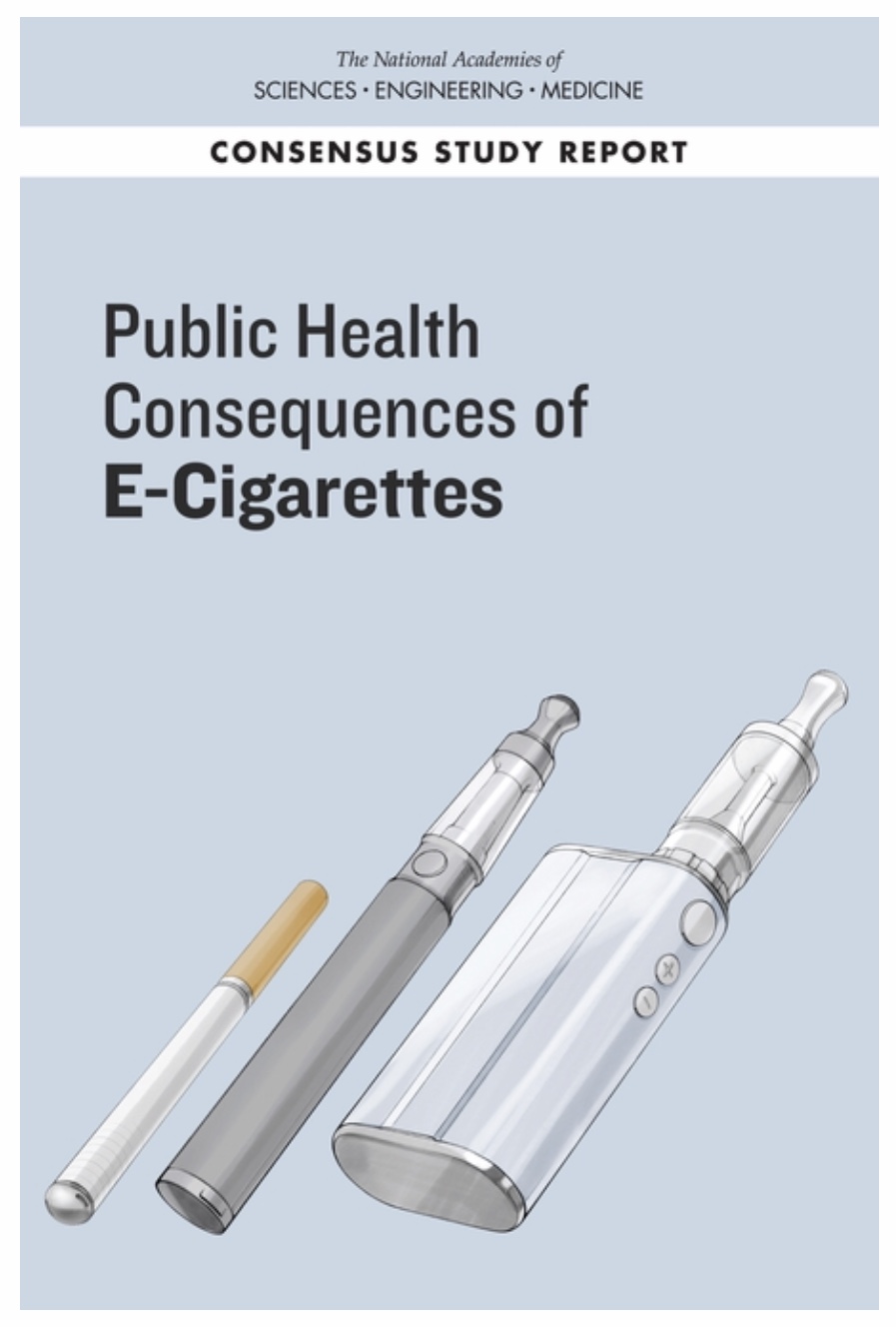
A newly mandated report from the National Academies of Sciences, Engineering, and Medicine takes a look at the human health effects of e-cigarettes. It was found that although e-cigarettes could potentionally help adult smokers transition from conventional cigarettes, there is substantial evidence among youth that use of e-cigarettes increases the risk of transitioning to conventional cigarettes. Not only has this risk increased the amount of young smokers, their health is also at risk as it was found that the use of e-cigarettes has been linked to things such as symptoms of dependence, cough and wheeze, and asthma exacerbations. Accidental or intentional exposure to the e-liquid itself can result in adverse health effects such as seizures, anoxic brain injury, vomiting, and lactic acidosis. Drinking or injecting this liquid has also been found to be fatal.

Although scientists are still learning of the effects that e-cigarettes could potentially have on your body, they have already found an substantial amount of evidence to justify efforts to prevent the use of them by the youth. Because most tobacco use starts during adolescence, it is crucial for the public to prevent the youth from a lifetime of nicotine addiction and other long term health effects. Our nation should work together to protect the youth from dangers associated with tobacco use and abuse liability. More than 6 out of 10 teens believe that the use of e-cigarettes cause little or no harm to their minds and bodies, but this has been proven otherwise.

If the government puts more of an effort to educate the youth on how this could effect their lives in the long run, we could reduce the amount of adolescents using these products and developing a dependency on them. Developing more intensive research on this topic could possibly allow the public to understand it and be able to spread awareness. It is now up to government officials to address this problem and create a solution for it.

How E-cigarettes Could Potentially Effect Your Health

By : Brianna h

The FDA is preparing to crackdown on e-cigs like the juul – here’s why vaping is so dangerous

https://www.businessinsider.com/vaping-e-cigs-juul-health-effects-2018-10

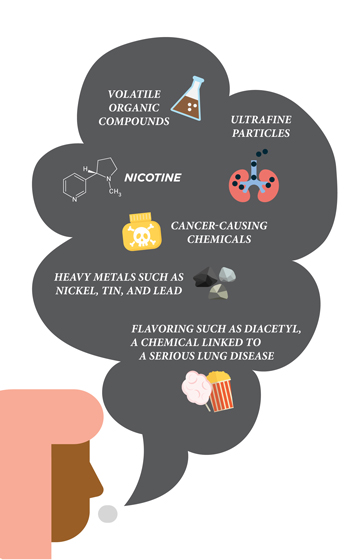
Smoking has been one of the major reasons Americans are dying due to addiction. But there are very few studies that looks at how vaping effects the body and brain. Even fewer, focus on Juuls which contain more nicotine than a pack of cigarettes and is very popular among young teens today. Researchers were able to find toxic metals inside e-cigarette devices such as lead which is also found in conventional cigarettes. Another study confirmed that these toxins make their way through vapers’ bodies through a urine analysis. In addition to this, research has found that nicotine can have dramatic impacts on the development of young adults. Nicotine is known to impair brain and lung development if used during adolescence. Surveys also suggest that teens who use e-cigarettes aren’t aware of these risks. Researchers have observed that those who have stated they use Juuls over other electronic devices tend to vape more than those who don’t use Juuls. Juul users are also less aware of how addictive thee devices can be compared to those who used different e-cigarettes.

“I was surprised and concerned that so many youths were using Juul more frequently than other products… We need to help them understand the risks of addiction”

Bonnie Halpern-Feisher, Professer of Pediatrics and lead author of the study

Many people who are avid users of the Juul, tend to not understand how they are putting their bodies and lives at risk, especially young teens who started using them even though they were intended to get rid of nicotine addiction, not create one. This leads us to the question, does the youth really understand what they are doing to their bodies and their minds? And if they did, would that be enough for them to stop? Spreading awareness of the effects nicotine has on the adolescent mind could be a potential strategy to eliminate the large number of kids who abuse these products. This research would also go to show that many are ignorant about what the product could do to their bodies. Even though our information on this topic is very limited, learning more about nicotine effects could help educate the public and help them find ways to get rid of their addiction.

To initiate this process and help the public, local government must implement new rules and find research that could potentially educate those who do not know much about how they could be jeopardizing their lives. Especially when those who are using these products are aged 13-18, an age in which the development of their minds and bodies are crucial. If we don’t take a step to help the youth who are addicted to nicotine now, then we could see a rise in deteriorating health levels of those users during their years of growth.

The FDA Looks at Different Ways to Stop Nicotine Addiction in Young Teens

By : Brianna

FDA explores ways to get kids who are hooked on nicotine to quit vaping as teen e-cigarette epidemic grinds on

https://www.cnbc.com/2019/01/17/fda-explores-how-to-help-kids-hooked-on-juul-other-e-cigarettes-quit.html

The Food and Drug Administration is hoping to find ways to limit the use of vaping devices for middle and high school students as in recent times, many have found that underaged youth addicted to “Juuls” and other e-cigarette devices. Data shows, teen use of e-cigarettes have rapidly increased over the years, and many are declaring it as an “epidemic.” The Juul company has already pulled many of its fruity flavors from the market in hopes to decrease the number of teens abusing these devices. Reports suggest that some teenagers find themselves hooked on nicotine and unable to stop vaping. The problem here is that doctors do not know what to do in order to combat this crisis. Treatment is usually targeted towards adults such has nicotine patches and gums. The public health community is looking for ways to get these teens to quit, but if the solutions that have already been implemented do not decrease the number of teens, then the industry may have to face a complete shutdown.

It is clear that there is a problem within the youth as many have found themselves addicted to nicotine at a young age. The many fruity flavors and easy access to Juuls make it even more enticing to the youth, as the device is easy to use and portable as well. Even though the company has already made advances to stop advertising to teens, another problem lays ahead as most have found themselves unable to stop vaping. But then that leads us to ask, “will completely getting rid of e-cigarettes be the solution to this problem?” This may completely disregard why e-cigarettes have been created in the first place, which was to help adults with nicotine addiction veer away from combustable cigarettes. The original intent was to help smokers as they could have potentially benefitted from these products, but now the product as a whole may be removed from the market.

As a class we have discussed public policy and what the government does in order to battle these issues. It is clear in this case we must find a solution to stop teens from abusing nicotine products but at the same time help adult smokers find healthier options to combustable cigarettes. E-cigarettes have their pros and cons but it is now up to the higher ups to decide what to do for the health of the public.